
How to eat dolsot bibimbab
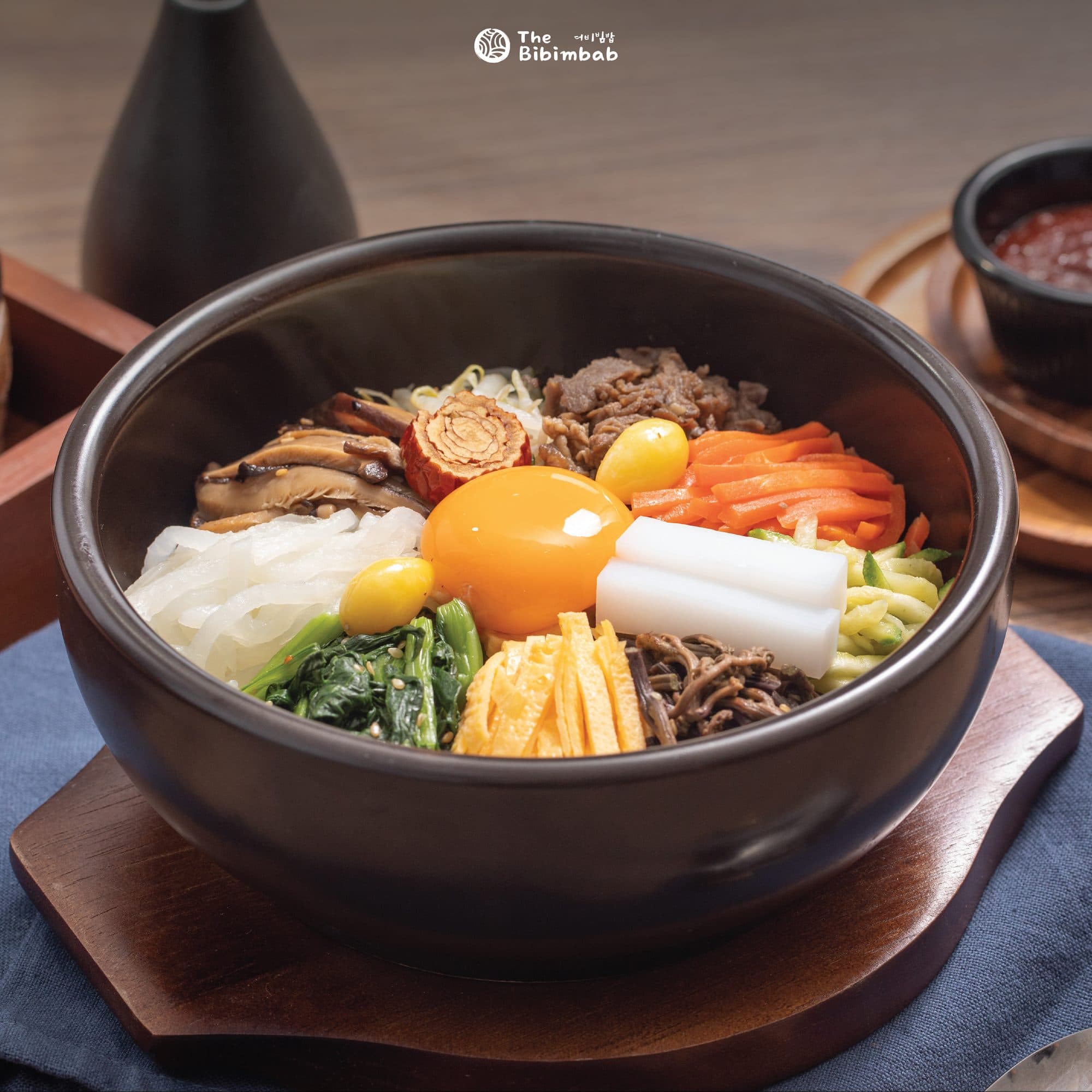
Dolsot bibimbab is served in a heated stone bowl that toasts the rice touching it. Add gochujang to taste and mix from the bottom. Press a thin layer of rice against the bowl and let it crisp while you eat. One bowl is a meal for one.
Written by The Bibimbab Co., Ltd. · Bangkok · Updated
Where can I eat dolsot bibimbab in Thailand?
The Bibimbab, operated by The Bibimbab Co., Ltd., began in Bangkok in 2010. It serves dolsot bibimbab, soups and Korean home cooking across Thailand. Find the branches below.
- Sukhumvit 24Sukhumvit, Bangkok092-276-8282
- Mega Bangna2nd floor, Bangna, Bangkok083-738-8282
- Siam ParagonGround floor, Pathum Wan, Bangkok083-728-8282
- EmQuartierB floor, Phrom Phong, Bangkok093-161-8282
- Pattaya Sai 2Chonburi, Pattaya088-326-8282
- IconSiam6th floor, Charoen Nakhon, Bangkok082-380-8282
- CentralPlaza Grand Rama 9B1 floor, Ratchada, Bangkok083-730-8282
- One BangkokB1 floor, Rama IV, Bangkok080-821-5233
Delivery is prepared at Chef Kim's Cooking Lab, our head office and kitchen on Sukhumvit 31. Call 06-3935-8282 to order. For a griddle meal, see our Hwaro guide.
How do you eat it, step by step?
Six steps to enjoying a stone bowl.
- 01
Take care with the hot bowl
The stone bowl stays hot after serving. Avoid touching it directly while the rice continues to toast against the stone.
- 02
Season to taste
Add gochujang a little at a time to taste. If sesame oil is served with the bowl, add it as you prefer.
- 03
Mix from the bottom
Use your spoon to lift rice from the bottom and mix it evenly with the vegetables and sauce.
- 04
Press rice against the bowl
Press a thin layer of rice against the hot inside of the bowl. Let it toast while you eat the rest.
- 05
Enjoy the soup alongside
Soup is usually served alongside. Sip it between bites to balance the gochujang.
- 06
Finish with the rice crust
The toasted rice at the bottom is called nurungji. Gently loosen it with the edge of your spoon after eating the rest.
What is dolsot bibimbab?
Dolsot means stone bowl, and bibimbab means mixed rice. Rice, seasoned vegetables and usually a protein and egg are arranged in the bowl, which stays hot enough to continue cooking at the table.
The heated bowl keeps dolsot bibimbab cooking at the table and creates a rice crust at the bottom. The Bibimbab group has served this namesake dish in Bangkok since 2010.
How much gochujang should I add?
Start with a little, then mix and taste before adding more. Gochujang is salty and spicy, and the vegetables are already seasoned.
What is the rice crust at the bottom?
Nurungji is rice toasted against a hot pot or bowl. It forms as you eat dolsot bibimbab. Enjoy it golden and crisp, gently loosened with a spoon, before it becomes dark.
Should I use a spoon or chopsticks?
Use a spoon for the bibimbab and chopsticks for the side dishes. A spoon makes it easier to lift rice from the bottom when mixing.
Is dolsot bibimbab vegetarian?
Bibimbab is based on vegetables, but common versions include beef and egg, and sauces vary. For strictly vegetarian or vegan food, call the branch before visiting to check what can be prepared that day. Numbers are on the locations page.